We believe that the future is built on the past, which is why we strive to work with an innovative spirit while respecting and learning from traditions.
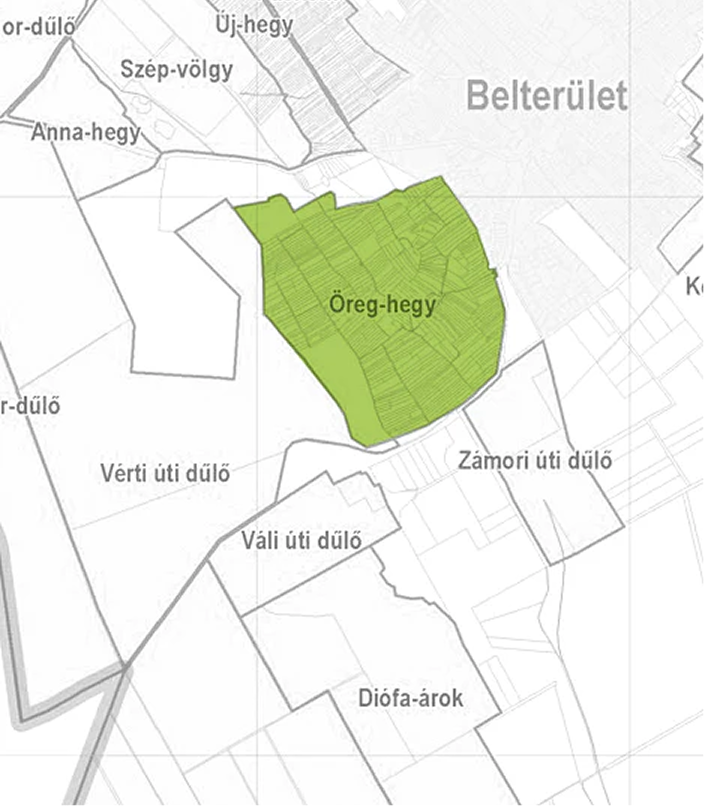
The Etyeki Kúria Winery began its operations in 1996 on the historically significant Öreghegy in Etyek. A key milestone in our history was in 2003 when we were the first in the wine region to plant pinot noir grapes for red wine production, which has since brought us outstanding international success and, naturally, benefits the entire wine region. As a result of our large-scale growth and expansion, we carried out comprehensive winery construction projects in 2013 at our Öreghegy estate center, and again in 2024 near our larger vineyards.
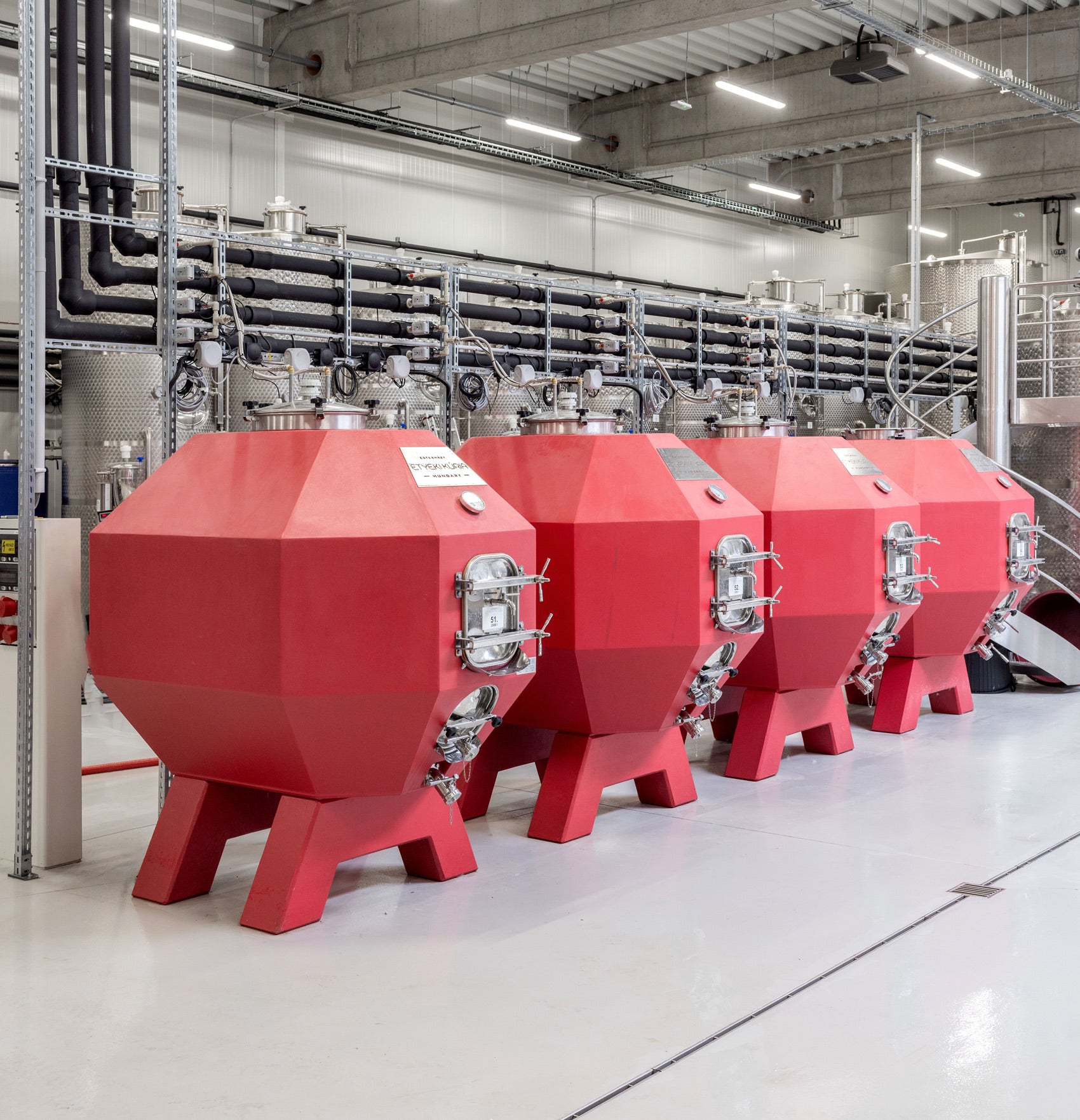
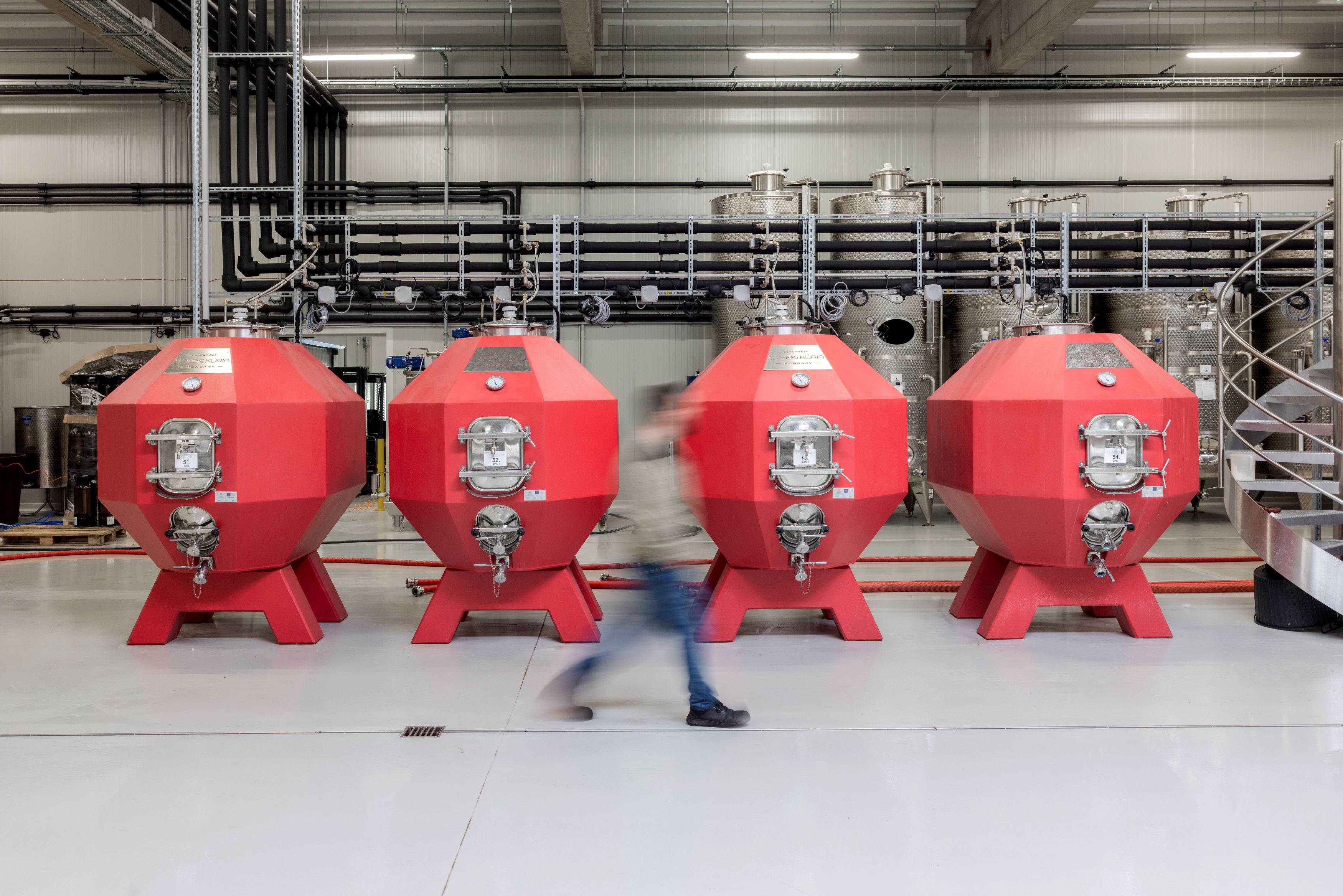
Today, we conduct our production, commercial, and logistical activities exclusively in this new winery building, which is excellent in terms of energy efficiency, equipped with solar panels and a water recovery system. We use the cellar of our former Etyek Öreghegy estate for traditional sparkling wine aging, while the rest of the estate has been fully transformed into tourist spaces suitable for hosting guests.




Sausage making
"Under all circumstances, we must make the best of our abilities, and this can only be achieved in one way: through honest, persistent, and dedicated work."
Sándor Mérész
One of the fundamental truths in the world of wines is that good wine can only be made from good grapes. In viticultural work, we follow an "integrated" approach. The essence of this is that, thanks to past experiences and modern technologies, we make decisions based on up-to-date data and strive to spend as much time as possible out in the field, among the vines.
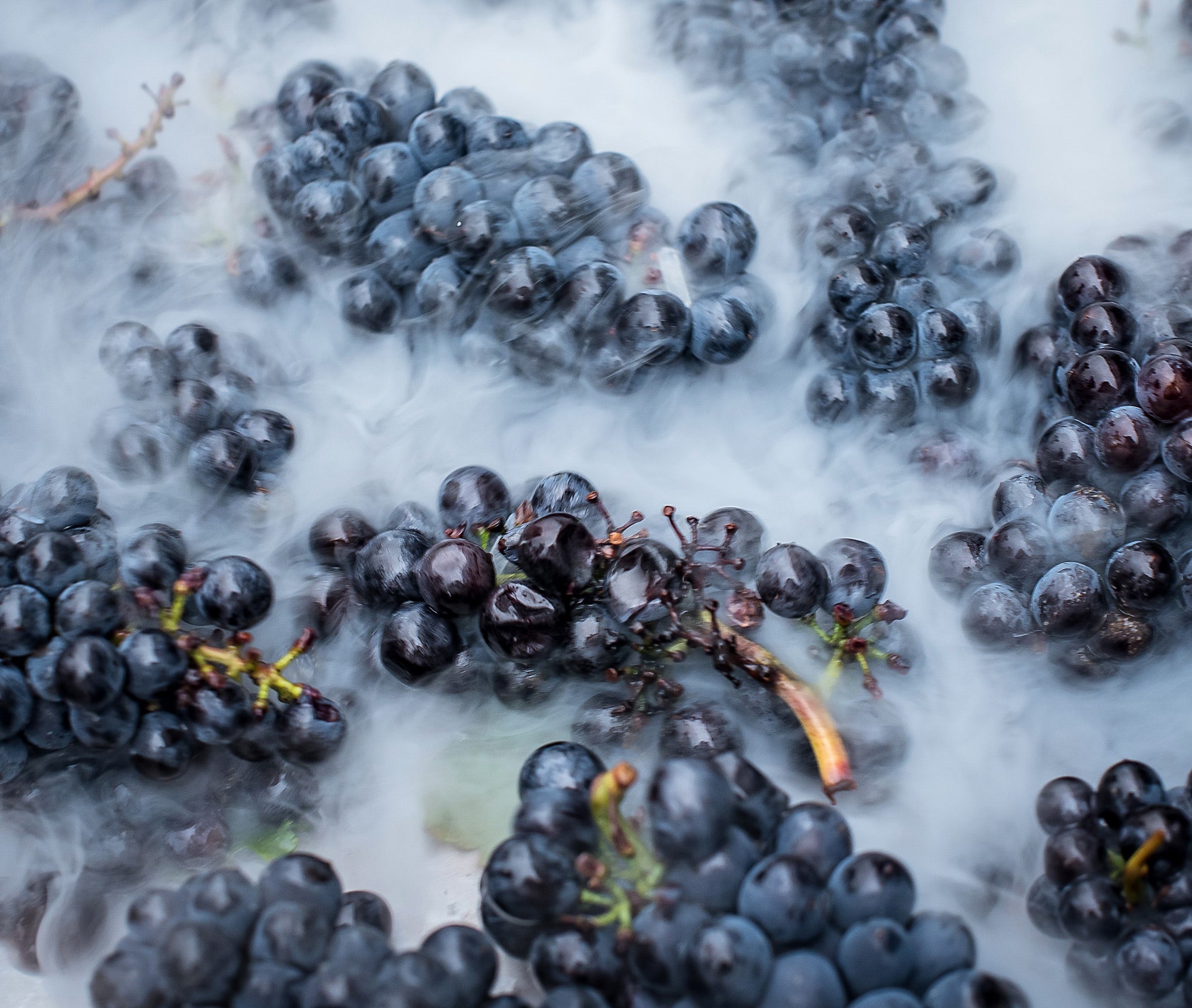
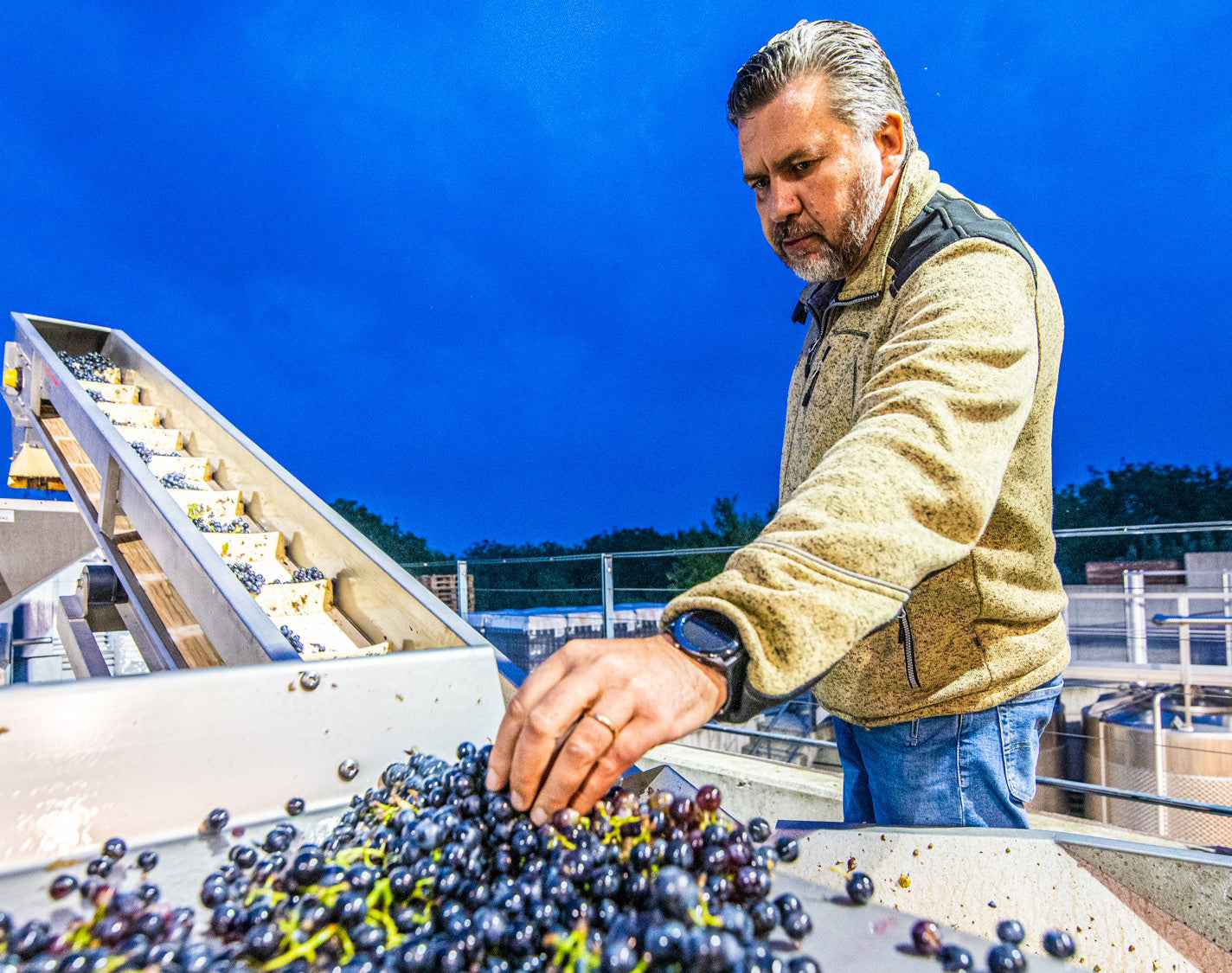
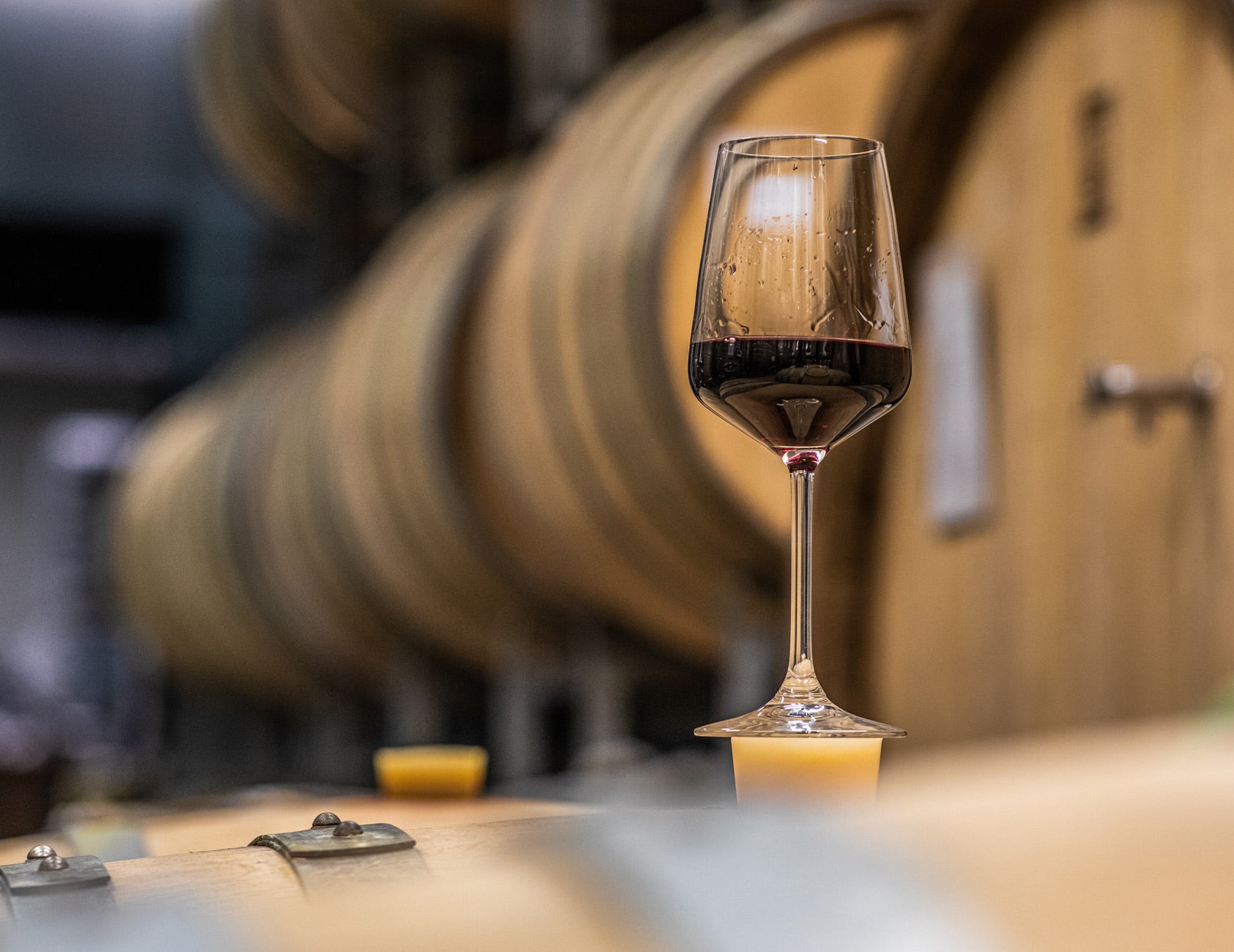
During harvest, the grapes are delivered to the winery as quickly as possible, marking the beginning of winemaking, also known as vinification. For our white wines, we protect the grape clusters, berries, and must from oxygen to preserve the fruitiness in the wine; therefore, these batches are typically fermented and aged in closed tanks using reductive methods. For red wines, fermentation takes place in open tanks, followed by aging for about a year in small Hungarian, French, and Austrian oak barrels.
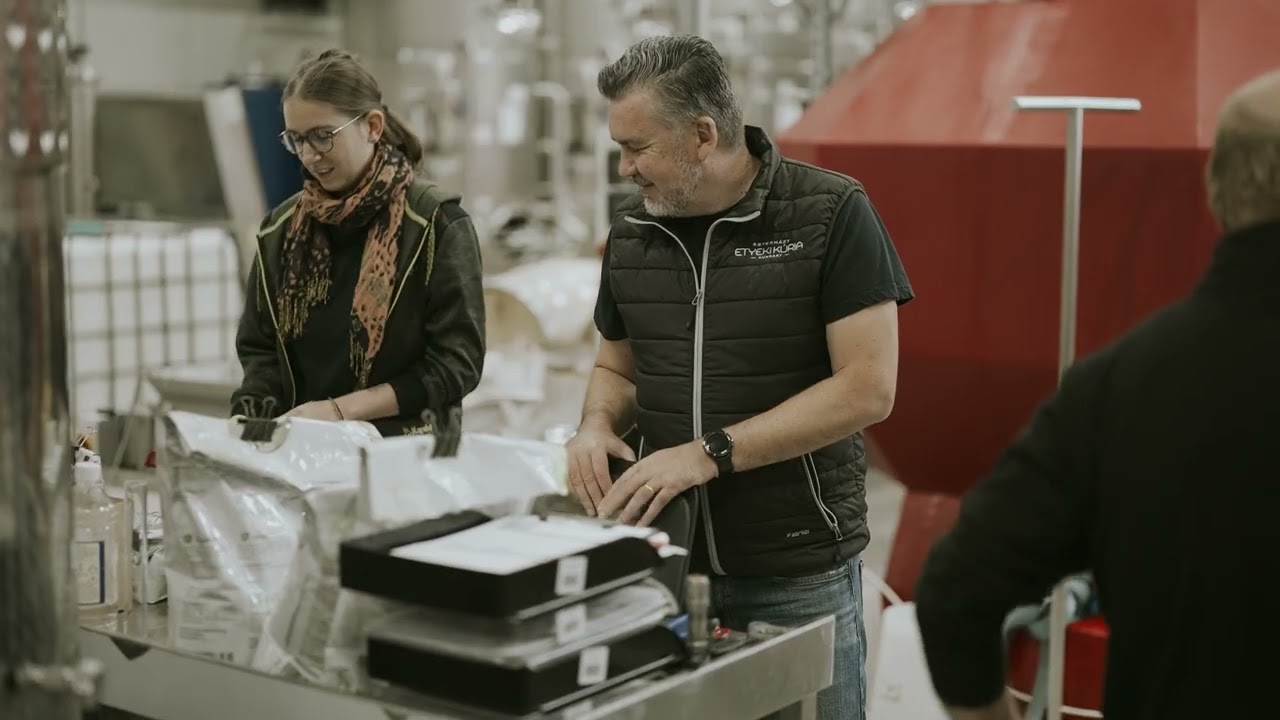
Head Winemaker | Sándor Mérész joined our team in 2009 and has since shaped the unique style of our wines, harmonizing local conditions with the latest research findings and his own international experience. In recognition of his professional work, Sándor has been among the fifty nominees for the "Winemakers' Winemaker" professional award every year since 2013.
Etyek-Buda Wine Region
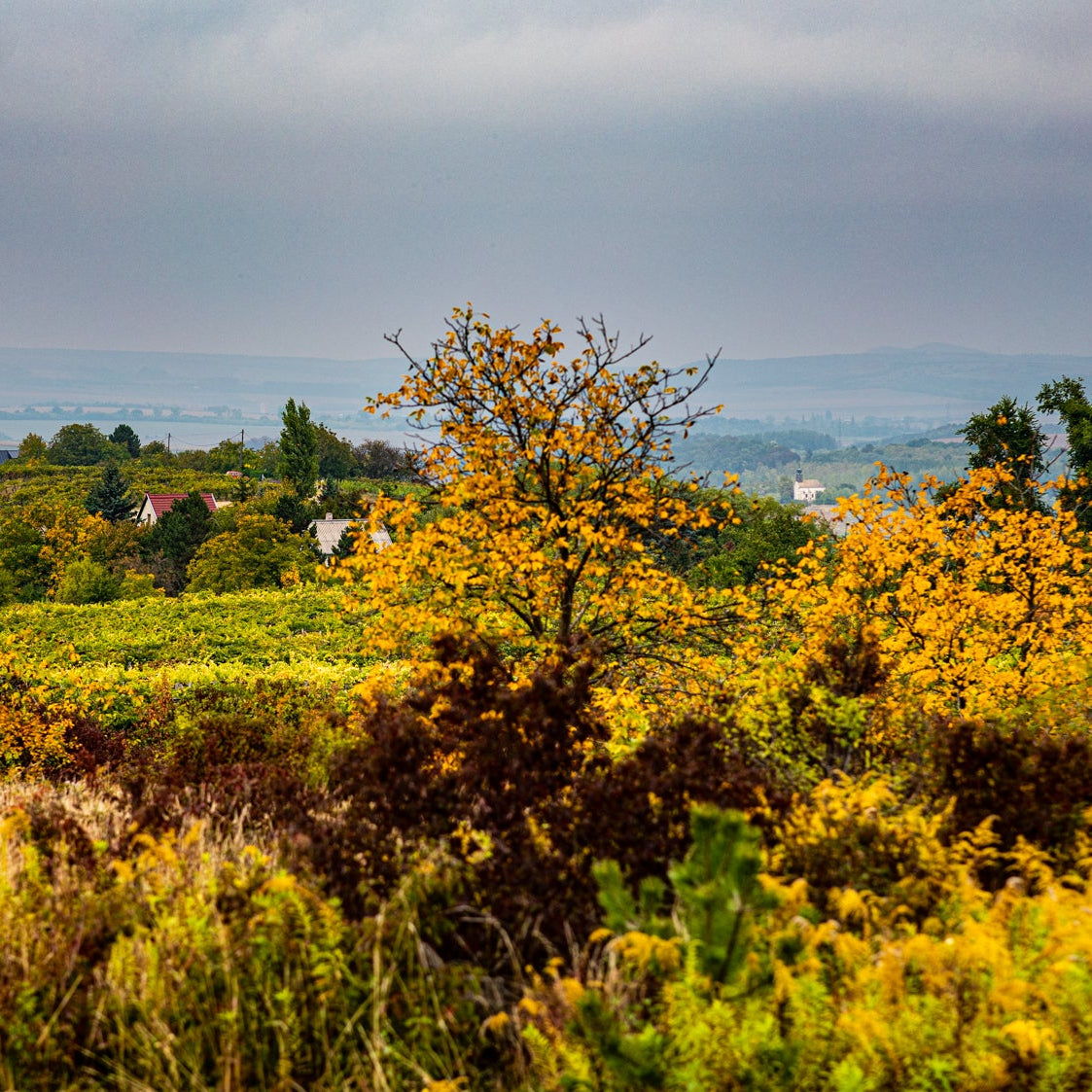
"Budapest's Vineyard Garden" | The Etyek-Buda wine region is located 30 km southwest of Budapest, with its center in the large village of Etyek. Among Hungary's 22 wine regions, the winemakers of Etyek work closest to the capital, currently cultivating nearly 1700 hectares of vineyards.
A bit of history | The Swabian traditions of viticulture known today can be traced back to the early 1700s, when, after the expulsion of the Turks, German vine growers were settled in the village, who flourished the local vine culture within a few decades. We owe to them the creation of traditional cellars carved into limestone and the protected cellar rows (Öreghegy, Kecskegödör, Körpince).
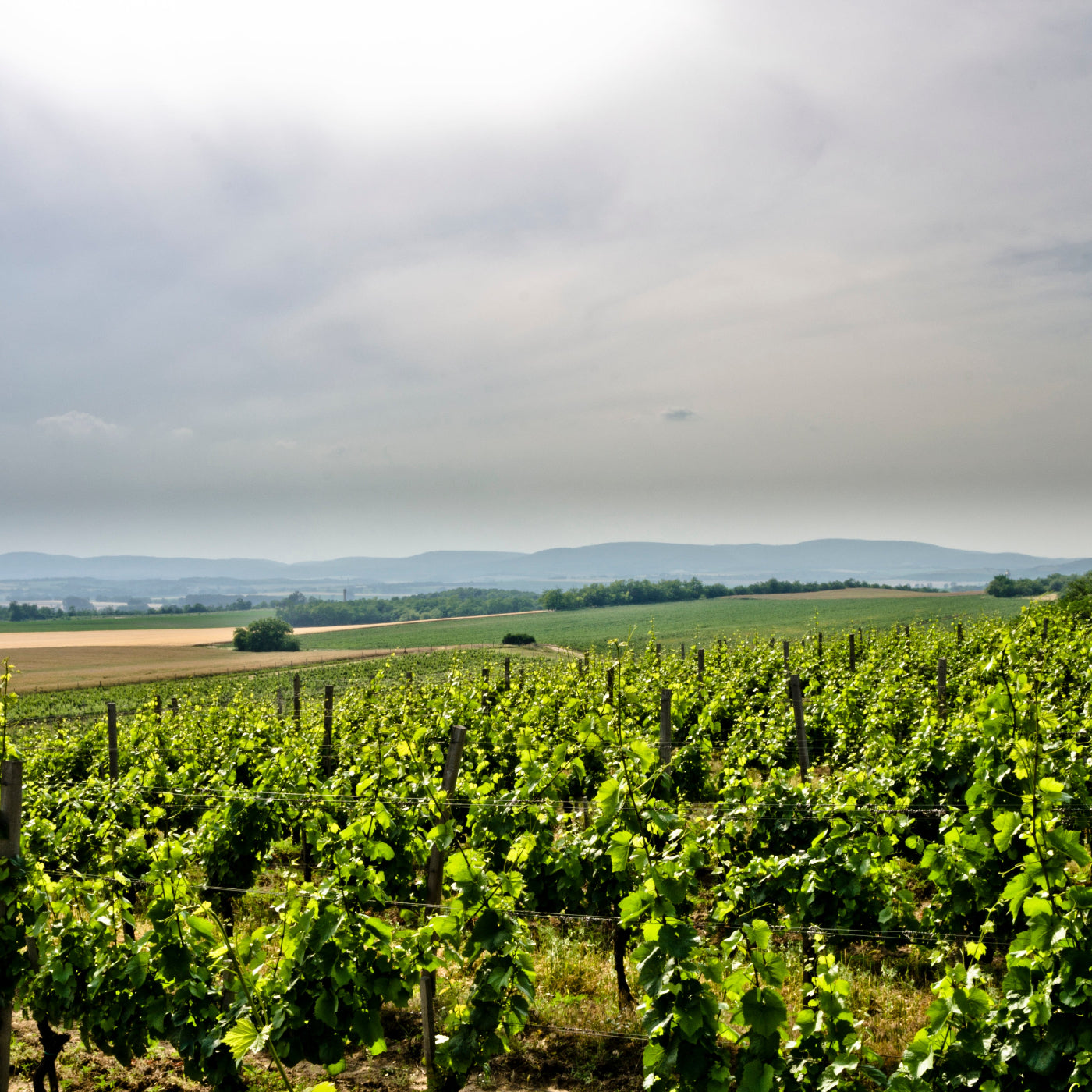
Briefly about the terroir and the wines | The Etyek Hills are characterized by windy plateaus. Despite abundant sunshine, the average temperature is lower than the national average. On the limestone-based, deep brown forest soil, we have the opportunity to grow grapes with excellent acidity structure. Most people compare the terroir to the French Champagne and Sancerre regions. Accordingly, the style of the wine region is embodied by acidity-driven white wines, light rosé wines, sparkling wines, and as a perpetual exception, red wines made from Pinot Noir.
Our grape varieties | Pinot Noir, Chardonnay, Sauvignon Blanc, Merlot, Syrah, Separavi, Rhine Riesling, Pinot Blanc, Irsai Olivér
Our Sustainability Efforts
At Etyeki Kúria, we are committed to reducing our environmental footprint, which is why we choose sustainable solutions in as many areas as possible. To decrease our ecological footprint and make our operations more economical, we established our new winery without compromising on energy efficiency, functionality, or aesthetics.
Green cover and biodiversity | We sow a special seed mixture developed by the Ecological Agricultural Research Institute (ÖMKi) between the vineyard rows, which not only supports the continuous fight against soil erosion but also contributes to greater biodiversity and the establishment of healthy soil structure. We shade 50% of the winery's hall areas with vegetation grown on a wire system. This, along with the green roof design of the parts not covered by solar panels, significantly increases the proportion of green spaces and positively affects the microclimate.
Birdhouses and insect hotels | In the vineyards of Etyeki Kúria, 168 birdhouses and 49 insect hotels continuously await their inhabitants, providing safe nesting and winter shelters for creatures essential for pollination, pest control, and maintaining biological diversity.
Vegetarian and Vegan-Friendly Wines | For fining, we only use plant-based protein (pea) and bentonite, avoiding any animal-derived products.
Lightweight Bottles | We choose the lightest possible bottles to reduce the environmental impact of transportation.
Packaging Materials | We strive to use recyclable, selectively collectible, and biodegradable materials.
Green Energy | With our solar panel system, 60-70% of our winery's electricity consumption can be covered. We use the most modern heat pump heating and cooling systems.
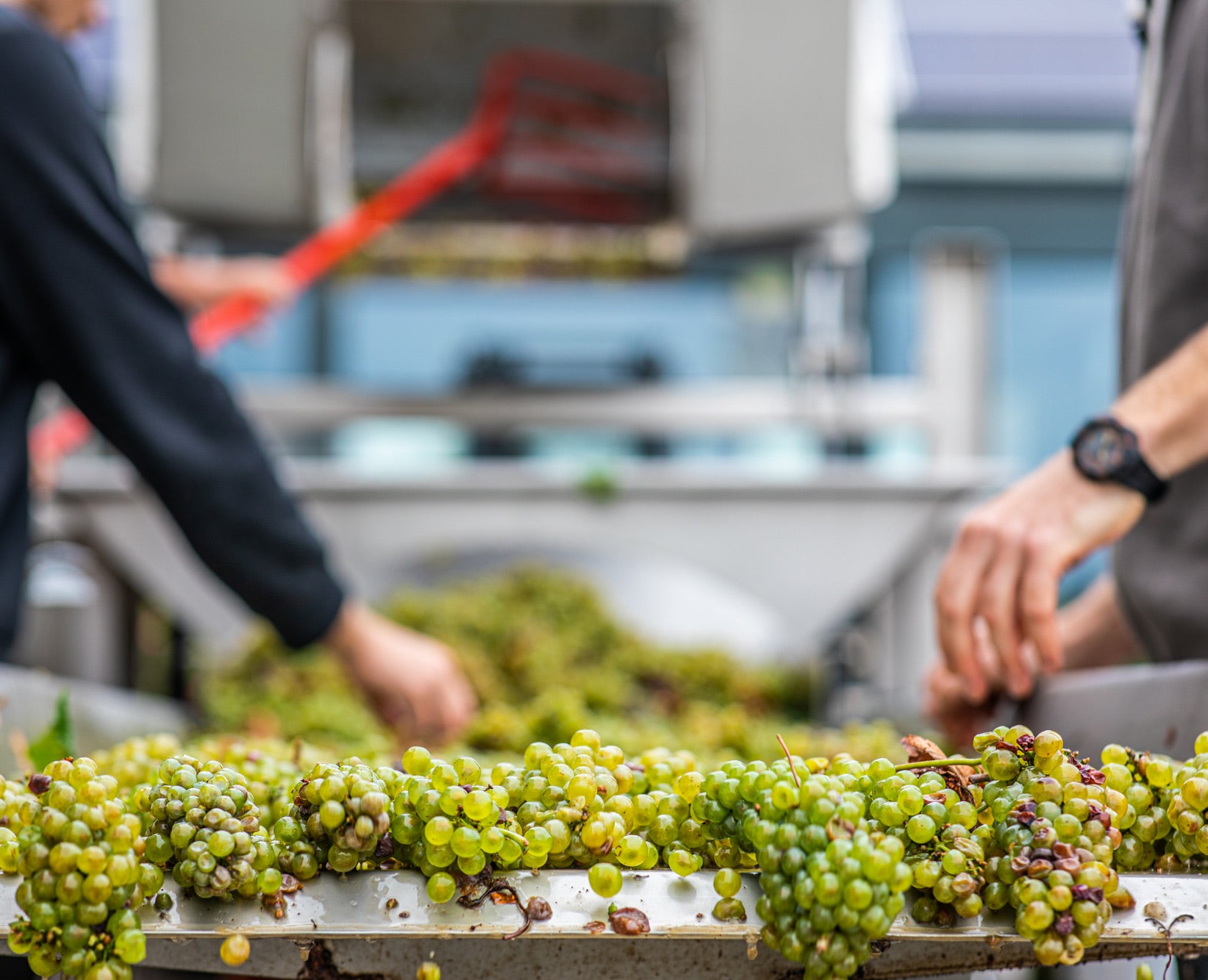
Waste Management | Our goal is to improve the conditions for by-products and waste management along the value chains of secondary utilization. The generated by-products are handed over to the distillery for grape pomace and lees.
Water Usage | On the output side, we separately collect water that does not come into contact with production or chemicals. We separately store greywater and rainwater, which are later used for irrigation.
Vineyards
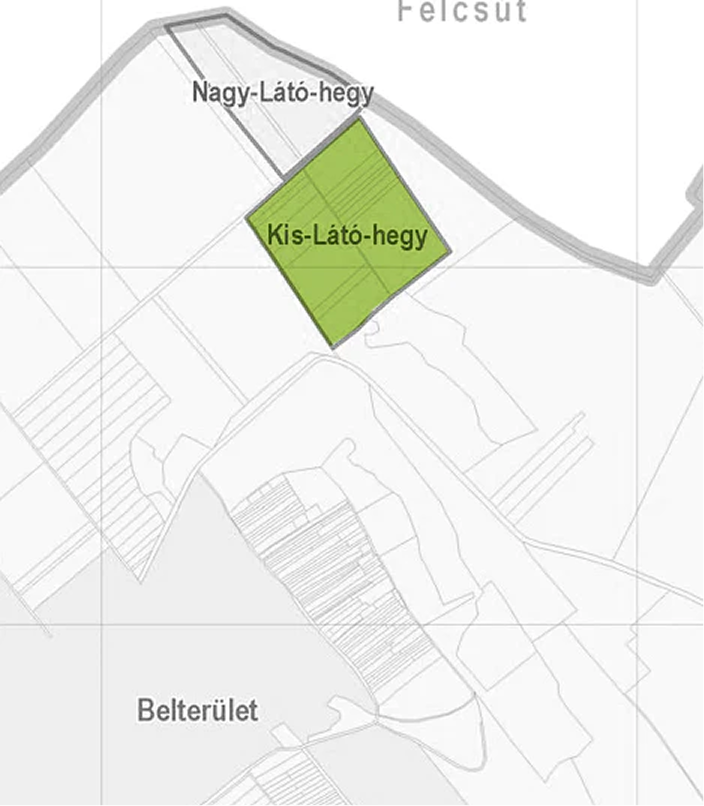
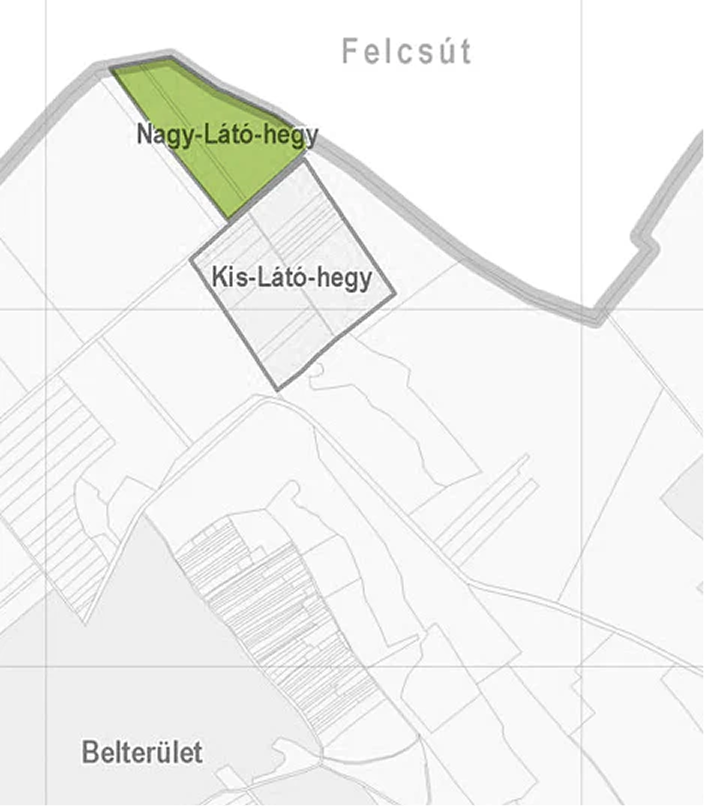
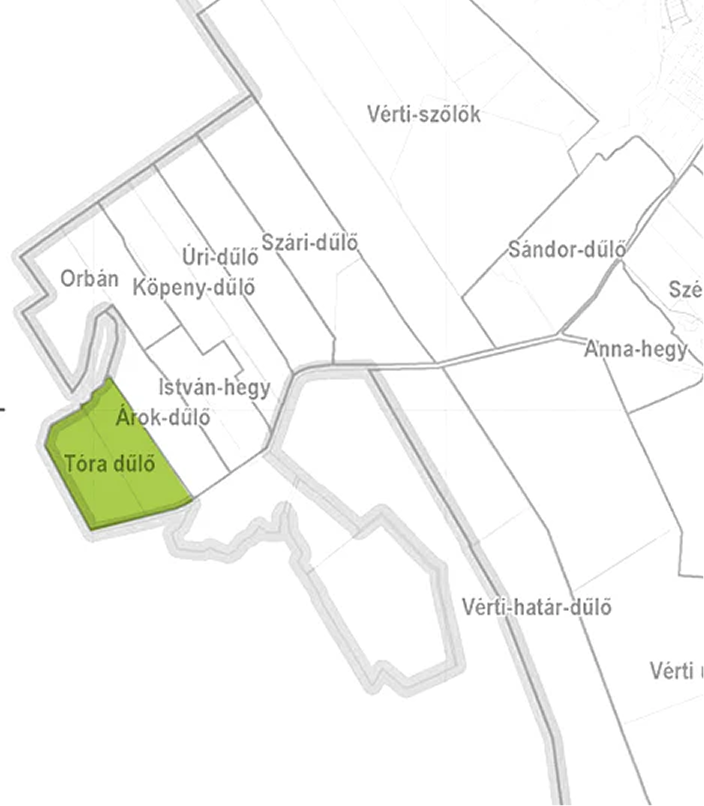
We began our farming in 1996 on the estate of the winemaking legend Tibor Báthori. The original 2 hectares of vineyard have now grown to nearly 30 hectares, and for the production of our wines, we purchase grape material from an additional 20 hectares through long-term regional vineyard partnerships. Alongside our iconic Sauvignon Blanc, Chardonnay, and Pinot Noir varieties, our vineyards also feature many exciting Carpathian Basin and international grape varieties.